
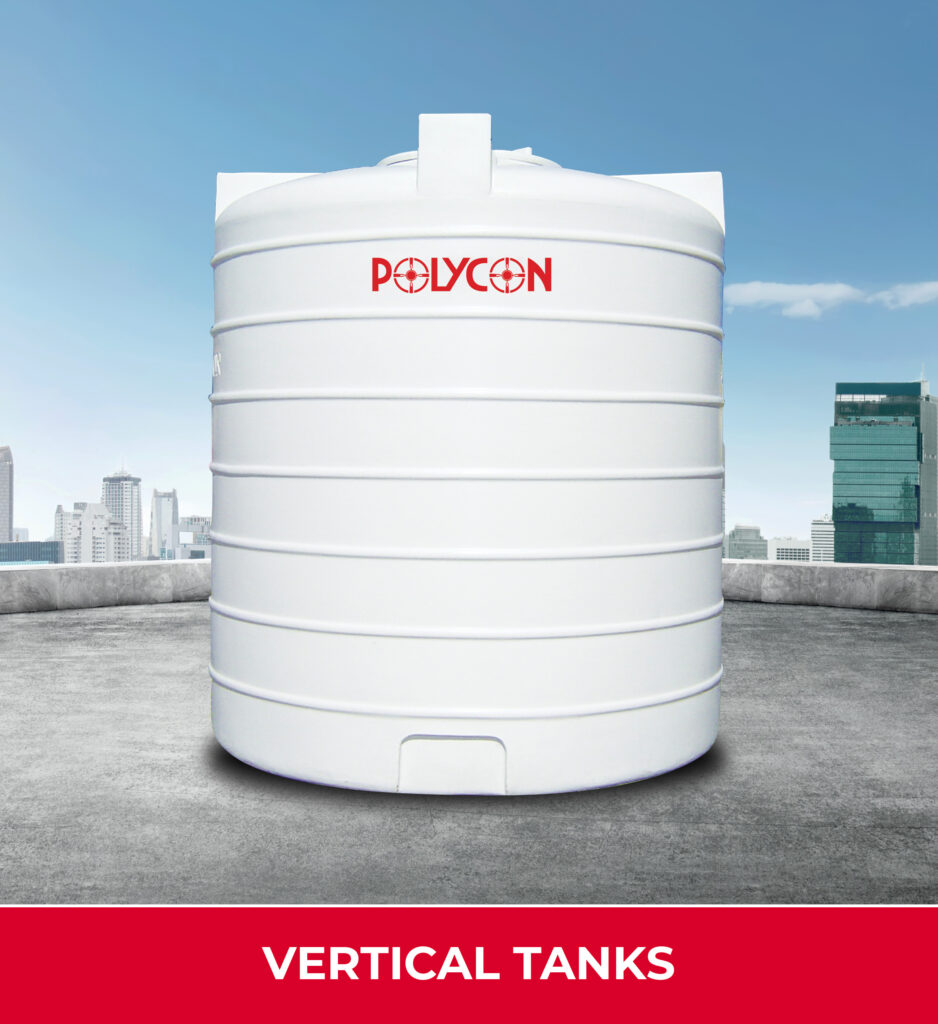
You can accomplish safe and reliable storage of chemicals when you have the right wall thickness of the polyethylene tank. This also determines the vessel’s durability and how well it can handle weight, gravity rating, process temperatures, mechanical stress, and a range of other factors. The safety, lifespan, and performance of the storage tank depend on the wall’s engineering and the choice of raw material, specifically 100% Virgin Grade. This is because virgin resin combats and prevents structural weakness and contamination.
Why Is Wall Thickness Critical?
At Polycon, our tanks are engineered to handle specific loads based on the chemical’s composition, including its temperature and oxidation potential. When you choose a tank with insufficient thickness, it could deform and even break down prematurely. That is why you need a polyethylene tank with the right design and the right wall thickness.
Our tanks exceed the ASTM D1998 industry standards, providing the right wall thickness, hoop stress, with appropriate impact testing, and proof pressure. All our tanks undergo thorough testing to ensure they meet structural requirements.
Determining Wall Thickness
There are several factors that are evaluated to determine the right wall thickness for a polyethylene chemical tank.
Chemical Gravity
The operating temperature and the chemical both decide the SPG or the tank’s gravity rating. Dense, warm chemicals have higher gravity, and light, cooler chemicals have lower gravity. Remember that the chemical’s SPG and temperature determine the pressure it exerts on the sidewall of the tank.
Tank Measurements
Primarily, the tank’s diameter and height determine the types of stress it can withstand. For instance, tanks with small diameters distribute stress differently than larger ones and a tall tank experiences more hydrostatic pressure at the bottom. The appropriate wall thickness must be determined to prevent long-term creep and bulging.
Temperatures
For optimal structural strength, chemicals with higher temperatures must be stored in tanks with thicker walls. For standard tanks, you could limit the temperature to 100°F, and for others, you may require a thicker wall or a customised design.
Oxidation Potential
Tanks can degrade due to aggressive oxidisers in chemicals (example: sodium hypochlorite). Use a polyethylene tank that has a system with added protection and extends to a useful life.
Speak to Polycon for specialised tank requirements for your chemicals.