
Algae growth is a major concern in water storage tanks. This blue-green or yellowish buildup affects both the appearance and the smell of water making it unsuitable for drinking or simple household use.
To prevent algae growth in water tanks you need to keep the tank away from direct sunlight. You also need to pay attention to regular cleaning or disinfection. You can also ensure the water tank has a tight lid and the water doesn’t stay stagnant inside for long periods.
These simple steps can keep your water storage tanks more hygienic which prevents algae growth to a great extent. This blog covers all there is to know about algae growth prevention in domestic or commercial water storage systems. So stay with us till the end to know how you can guarantee cleaner water tanks that maintain the purity of water for a long time.
- Why Does Algae Grow in Water Storage Tanks?
- Effective Tips to Prevent Algae Growth in Water Tanks
- Polycon’s Water Tanks: What Sets Them Apart
Why Does Algae Grow in Water Storage Tanks?
Algae are simple organisms that contaminate water that you use for drinking or household applications. These organisms thrive when there is ample light or warmth around stagnant water. Light from the sun is the biggest factor that promote algae growth or reproduction.
To trigger algae growth inside water tanks even the smallest amounts of organic material or nutrients is enough. These contaminants can enter poorly sealed tanks ultimately allowing algae to spread.
Algae appears as a green, blue-green, or yellowish material that either floats around or attaches to the sides or bottom of the water tank. The presence of algae alters both the taste as well as the smell of water. It also creates a biofilm on the water which affects its purity to a great extent. This is why when you buy quality water tanks for your property make sure to adopt algae preventive measures from the start. This can help you avoid costly tank cleaning or algae removal down the line.
Effective Tips to Prevent Algae Growth in Water Tanks
Algae prevention in vertical or horizontal water storage tanks is not very difficult. This section lists some simple things that you can do right now to prevent this nuisance.
- Protect the Tank from Sunlight
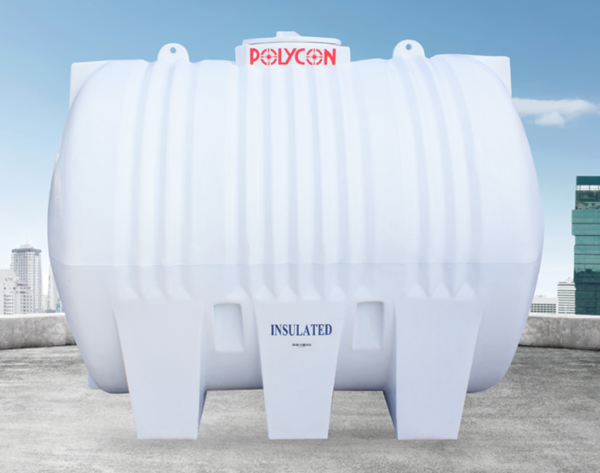
You need to limit the amount of sunlight that reaches the tank directly. Sunlight is what algae use for photosynthesis which results in their faster growth. This is why you need to make sure to place the tank in a shaded area. If you cannot find such a spot you can use a tank whose outer material is opaque or insulated to prevent the effects of sunlight.
- Tightly Seal the Tank Lid
A poor-quality tank lid seal can result in dust, dirt, or organic matter ingress into the tank. These contaminants add nutrients into the water that algae need to multiply quickly.
This is why you need to make sure the lid of the vertical water storage tank doesn’t have any gaps. A tightly sealed lid with no cracks or visible damage results in an environment where algae find it hard to grow.
- Clean the Tank Regularly
Another way to prevent algae is to clean the tank at regular intervals. This is important because over time, sediment or organic matter can build up at the bottom of the tank. This can serve as nutrients for the algae to grow.
This is why even if you do not see algae inside the tank make sure to regularly deep clean it to stay on the safe side. You can also disinfect the tank afterwards to further eliminate the risks of algae growth.
- Avoid Water Stagnation
Do not leave the water stagnant inside the regular or underground water storage tanks for too long. Stagnant water creates ideal conditions for algae or other harmful microorganisms to grow inside the tanks. To prevent prolonged water storage you need to assess the storage capacity of the tank and consider your consumption. This can help you store exactly the amount of water that you need in the near future.
- Keep the Tank and Surrounding Area Clean
You also need to pay attention to the area that surrounds your insulated water storage tanks. Make sure there are no overhanging trees or organic debris around the tank. You also need to ensure there is minimal animal activity as well as waste accumulation in the tank’s vicinity.
Also make sure to inspect or clean the inlet or outlet pipes of the tank to prevent contamination. A cleaner outside environment significantly reduces the risks of pollutants entering the water tank.
- Inspect the Tank Regularly
For better algae prevention regular inspections of water tanks for residential and commercial water storage are crucial. Routine examination of the water tank can help you identify algae growth in its earlier stages.
In this inspection pay attention to green or brown deposits. You also need to look for slimy surfaces or floating material inside the tanks. Also pay attention to unusual odors or sediment accumulation.
If any of these issues become visible, immediately deep clean the tank, its lid, pipes, and the surrounding areas to prevent algae growth.
- Remove Algae as Soon as It Appears
One common mistake most people make is that they ignore smaller algae deposits thinking they cannot do much harm. However it takes very little time for algae to spread throughout the entire tank.
This is why you need to remove algae as soon as you notice its first signs. This can help in your efforts for keeping your water tank in good condition for years.
Polycon’s Water Tanks: What Sets Them Apart
Polycon Gulf stands tall among the top water tank manufacturers in the UAE. Our water tank storage solutions use UV-stabilized and FDA-approved food-grade polyethylene material. These ensure maximum protection against bacteria, fungus, and algae in all environmental conditions.
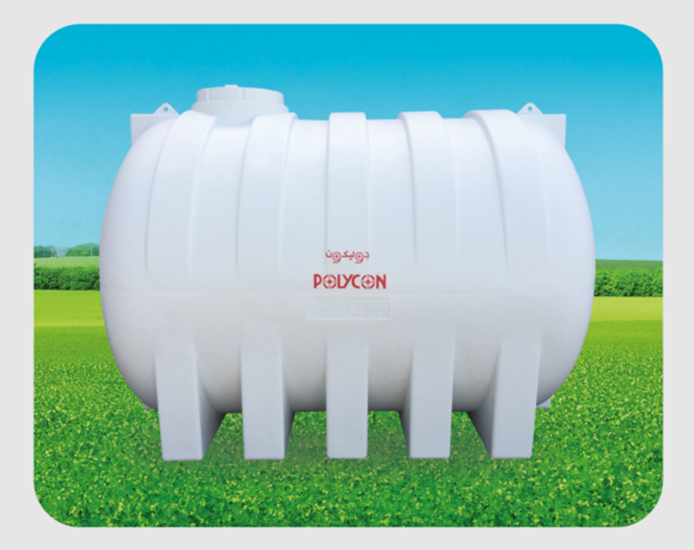
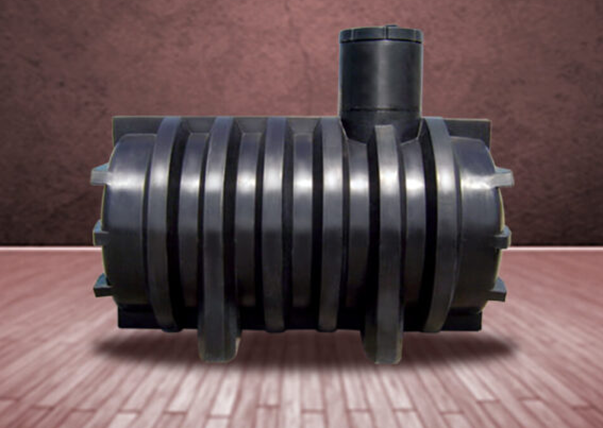
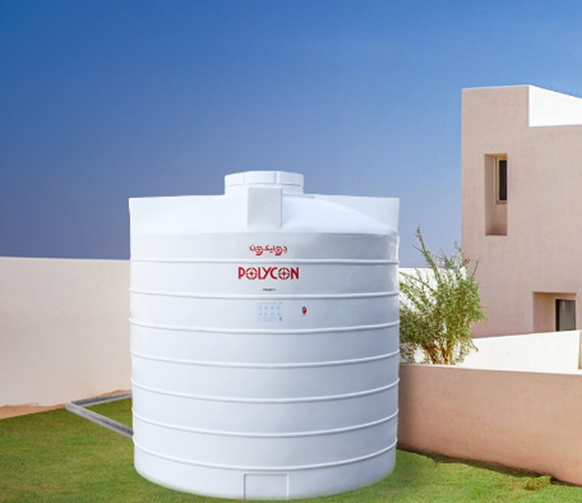
Polycon’s water tanks are available in a wide range of sizes and designs such as vertical tanks, horizontal tanks, insulated tanks, and underground tanks to meet your specific project needs.
Key Features
- The smooth inner layer of tanks eliminates the risks of bacteria or algae formation.
- Our polyethylene tanks offer exceptional corrosion and rust resistance.
- These tanks are leakproof due to their molded single piece design.
- Special membrane ribs reinforce the tanks to counter the hoop stress resulting in greater durability.
- Durable threaded covers make these tanks extremely secure.
- These versatile tanks find uses both in overhead and underground applications in households, water supply schemes, agricultural farms, and commercial settings.
Conclusion
Algae growth prevention in water storage tanks is fairly simple if you just follow the right approach. You can cope with this issue by minimizing sunlight exposure to the tanks. You can further reduce algae growth risk by controlling internal and external contamination and maintaining cleanliness.
Make sure to reduce water stagnation and conduct regular inspections as well. These simple hacks can ensure your water tank stays algae-free at all times. Contact us at Polycon Gulf today to order our premium-quality polyethylene water tanks of all sizes in horizontal and vertical variations. Our UV-stabilized and FDA-approved food-grade polyethylene tanks promise corrosion resistance, leak-proofing, algae prevention, and durability in all overhead and underground water storage applications in both commercial and residential settings.