
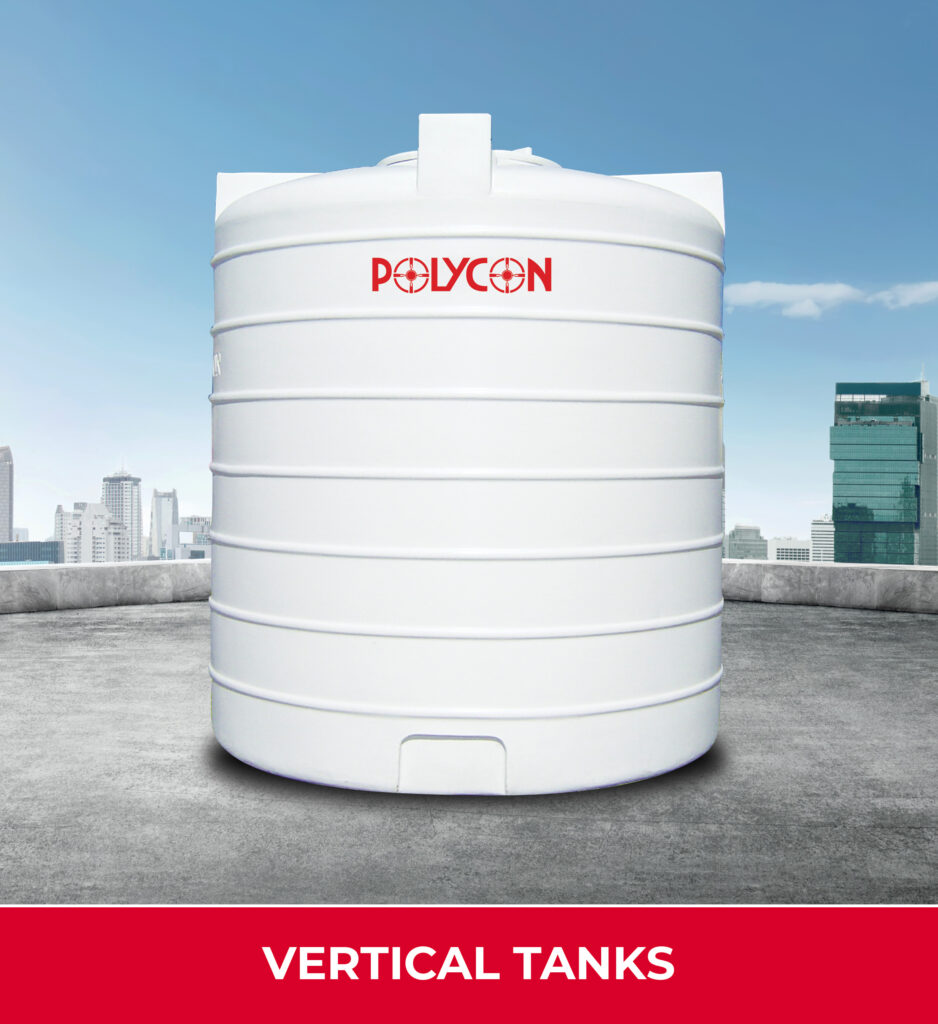
Water and other liquids need to be stored for various industries and homes. If water must be made safe for drinking, chemicals must be safe for use. Both require proper treatment, and vertical polyethylene tanks are specifically designed to ensure secure storage.
To ensure they perform well even under duress, vertical tanks must be installed properly, with guidelines strictly followed to avoid damage.
How is the installation done?
Unloading
- First and foremost, it is imperative to inspect the tank thoroughly upon receipt. Any damage due to shipping or defects in manufacture should be reported to the vendor immediately.
- Whilst unloading the tank, protect it from sharp or rough objects. These could harm the tank.
- Forklift precautions must be heeded. Only skilled operators should handle the tanks to prevent punctures.
- Besides, avoid rolling the tanks on their fittings lest they be damaged.
- The unloading area must always be clear of debris or any other potentially damaging items.
Placement
- The tank base should be placed evenly, preferably on a stable bed of fine soil or gravel, or, if the region is prone to harsh weather, preferably on a reinforced concrete pad. In fact, tanks with a capacity of more than 800 lbs must be placed fully on concrete.
- Bolt and mount the tank securely on tank stands, which are affixed to a concrete base to avoid movement.
- Furthermore, the tank should be easy to access for inspection, maintenance and removal.
In case of chemical storage
- A hydro test is imperative before you use the tank for chemical storage. Additionally, a leak test may be required before using the tank to store chemicals.
- Bulkhead fittings must be tightened by hand with a maximum additional quarter turn. You must also ensure that it is not tightened excessively, as it might cause leaks. Inspect the gasket if you visualize leakage, and then replace it carefully.
Other Measures
- Additional support is required for tanks storing liquids and for those with high specific gravity.
- Avoid mounting heavy equipment on the tanks, and ensure all piping and valves are supported individually to prevent strain on the fittings.
- Where possible, incorporating expansion joints into piping systems can prevent damage due to natural expansion and contraction.
- Do a chemical compatibility check and confirm the information with your supplier.
Ensuring Safety
- Safety is an important part of tank installations. There are certain guidelines for confined space entry procedures that must be followed.
- Tanks tend to naturally expand and contract due to temperature and gravity.
- Proper venting must be maintained, and extra caution must be used when handling corrosive chemicals.
Polyethylene Tanks from Polycon
Polycon always advises its users to follow appropriate guidelines for efficient, long-term tank performance. Contact our team directly for any further questions or support.