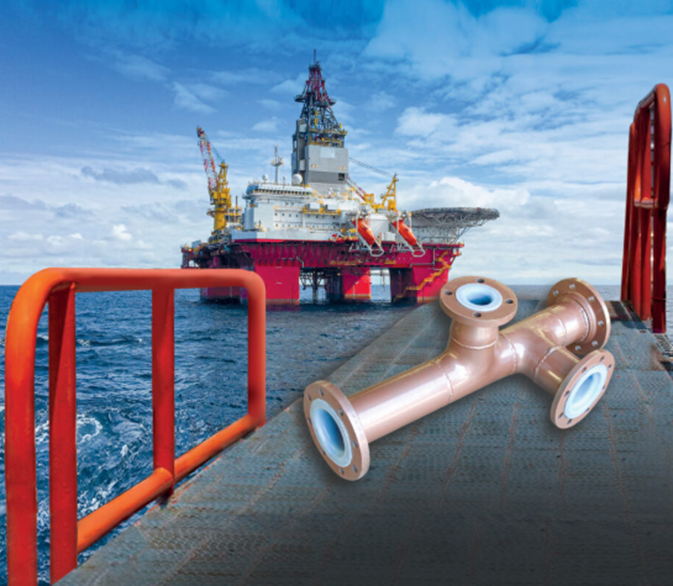
Metal components such as vessels or pipelines are crucial for the operation of most industrial units. In most cases this equipment has to face exposure to harsh chemicals, high moisture levels, or other abrasive materials that can not only damage them but also result in total mechanical failure.
One way to prolong the life of metal equipment in industrial settings is by using the innovative rotolining technology. Rotolining is a process where you apply a thermoplastic material rotationally on the inside surfaces of metal equipment. This layer separates the equipment’s material from harmful or aggressive chemicals or other stressors.
This results in better service life and low-maintenance requirements for industrial equipment leading to less downtime and greater operational efficiency.
- What Is Rotolining?
- Why Do Industrial Equipment Need Protective Linings?
- How Does the Rotolining Process Work?
- How Does Rotolining Protect Industrial Equipment?
- Applications of Rotolining in Different Sectors
- Polycon’s Rotolining: Maximum Protection of Industrial Equipment
What Is Rotolining?
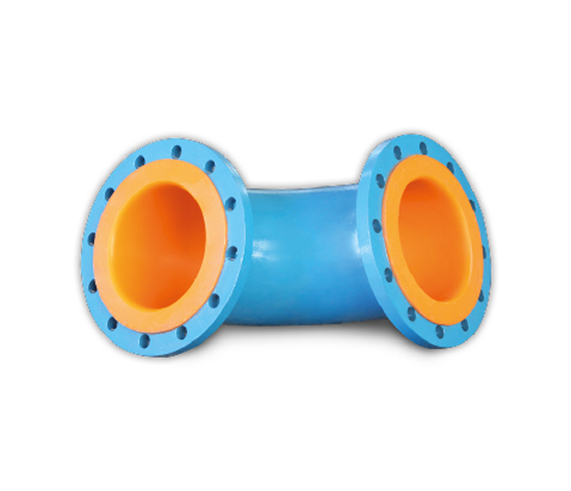
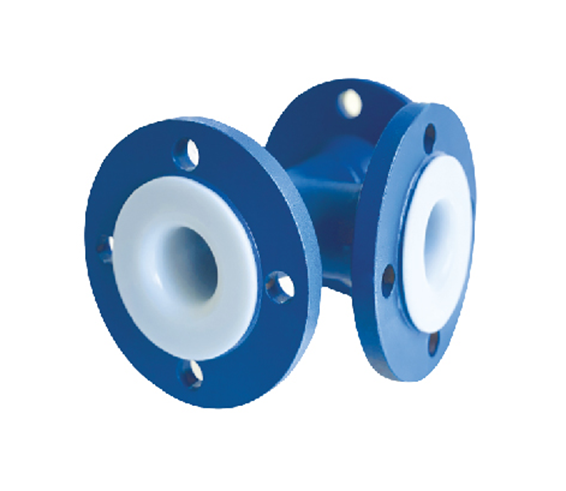
Rotolining is short form for rotational lining. It refers to a protective thermoplastic lining that coats the internal surfaces of industrial components. Rotolining is valuable for the protection of equipment that handles corrosive or harmful liquids, chemicals, powders, slurries, etc.
To apply rotolining first you place the lining material on specific components. Then you heat and rotate the components to ensure the lining spreads uniformly over the entire surface. Once the temperature reduces there establishes a bond between the lining and the component resulting in greater protection.
Here are some common rotolining materials that you can select from as per your specific material handling needs or mechanical conditions.
- Polyethylene (PE)
- Polypropylene (PP)
- Ethylene Tetrafluoroethylene (ETFE)
Why Do Industrial Equipment Need Protective Linings?
Carbon steel or stainless steel are among the most common materials that make up most industrial equipment. These materials are the top priority for their impressive structural strength.
However constant abrasive wear or chemical attacks can render even the strongest materials useless after some time. Equipment that we use in industries is exposed to these harmful elements all the time. This is where protective rotolining can play a big role in extending the life of crucial industrial machinery.
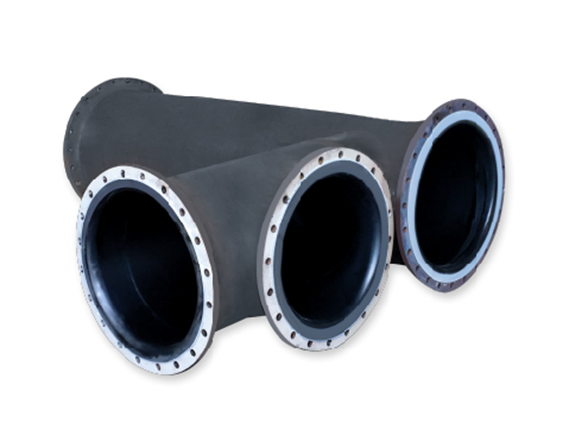
This lining can protect tanks, vessels, pipes, ducts, or other processing equipment against acids, alkalis, salts, chemical solutions, abrasive slurries, moisture, wastewater, corrosive gases, and harmful industrial process fluids.
When you buy premium quality rotolining it ensures there are fewer risks of thinning, pitting, leaks, and structural deterioration. This results in less downtime along with a significantly greater service life of industrial equipment.
How Does the Rotolining Process Work?
Here is a quick overview of a typical rotolining process that we use to protect industrial equipment.
Step 1: In the first step you clean the equipment with degreasing or abrasive blasting. You can also use grinding or other surface preparation methods to remove contaminants that can interfere with the performance of the layer.
Step 2: Then you select an appropriate material for the lining that suits your operating conditions like temperature or chemical resistance.
Step 3: In this step you introduce the thermoplastic material inside the surface of the component and then rotate it while heating at the same time. Rotation of the components generates centrifugal and gravitational forces that spread the material evenly.
Step 4: Then you cool the material to make sure the lining solidifies and creates a smooth finish.
Step 5: Finally you inspect the layer to uncover potential defects such as uneven areas or pinholes. For quality inspection you can conduct visual checks or thickness measurements.
How Does Rotolining Protect Industrial Equipment?
Here are a few ways rotolining ensures better protection of equipment across a wide range of industries.
- Offers Excellent Corrosion Protection
The thermoplastic layer of rotolining creates a barrier between the equipment and the material that it needs to handle. This reduces the exposure of the metal to corrosive materials. With less exposure the risks of rust or corrosion reduce significantly.
- Imparts Resistance Against Chemical Exposure
Thermoplastic materials possess a superior resistance against a wide range of chemicals. Unlike metals these materials do not break down or deteriorate even after constant chemical exposure. The use of rotolining thus protects chemical vessels or pipelines against these harmful agents.
- Improves Abrasion Resistance
Mechanical wear is a major concern in industrial equipment. Constant use of metal components can cause abrasion which shortens the life of the equipment to a great extent.
With rotolining the abrasion risks become very low. The use of a sturdy thermoplastic layer ensures the equipment doesn’t come in contact with abrasive chemicals or mechanical components even after extended use.
- Reduces Maintenance Requirements
Without rotolining industrial equipment suffers from corrosion or mechanical wear. To keep the equipment safe in this case you have to spend resources on regular inspections and repairs. This leads to shutdowns or downtime for repairs or parts replacement.
To prevent these issues you can use the protective lining. With less equipment wear and tear the maintenance requirements reduce significantly.
- Creates Smooth Internal Surfaces
A uniform thermoplastic layer inside metal components results in greater surface smoothness. This smooth layer allows your machinery to handle large volumes of liquids or slurries more efficiently.
The surface smoothness also eliminates material buildup inside metal components which makes cleaning easier.
Applications of Rotolining in Different Sectors
Here are some notable applications of rotolining across different industries.
- Chemical plants use it to store or transfer aggressive chemicals. They also use it in tanks or vessels that process chemical compounds.
- Wastewater plants use it in storage tanks, treatment vessels, dosing tanks, and pipelines to prevent exposure to corrosive water or sludge.
- The mining or mineral processing sector uses rotolining in slurry tanks, chutes, hoppers, material handling tools, or processing vessels to prevent wear from abrasive particles.
- Power plants utilize this lining in tanks or pipes to minimize mechanical wear or to prevent moisture or chemical exposure.
- The oil and gas sector uses rotolining in storage tanks, pipes, or process vessels to prevent corrosive fluid or chemical exposure.
Polycon’s Rotolining: Maximum Protection of Industrial Equipment
We at Polycon specialize in advanced polymer rotolining solutions for industries like oil and gas, chemicals, public utilities, power generation, water transmission, ship repair, and more.
Our rotolining for industrial pipelines and steel vessels ensures maximum protection of your equipment against corrosion, abrasion, and chemical wear. With over 30 years of experience in the UAE and more than 500 skilled personnel our rotolining solutions guarantee long service life as well as uptime of your key industrial equipment.
Key Features
- Our rotolining exhibits exceptional resistance to basic and acidic chemicals.
- Our lining is stable at a wide temperature range of -29 °C to 350 °C.
- Polycon’s rotolining has impressive moisture- or water-repelling properties.
- We offer best-in-class Internal Corrosion Protection Technology with a service life of more than 50 years.
- Our rotolining offers excellent resistance against corrosive liquids such as seawater, sewage water, nuclear wastewater, and acids.
- Its use in high-friction applications reduces micro-pitting or extensive erosion.
Conclusion
Rotolining aims to create a thermoplastic layer that acts as a barrier between internal industrial equipment surfaces and the materials they handle. This barrier prevents chemical attacks or mechanical wear. This way it ensures there is minimal abrasion or corrosion which not only increases operational efficiency but also extends the service life of your key machinery.
However to make the most of your rotolining you need to consider your material type or operational conditions like temperature or humidity levels. You also need to pay attention to proper rotolining installation that has no defects or infirmity issues.
This can give you rotolining that is better able to protect your tanks, vessels, pipelines, or other material handling solutions for years to come.
Visit us at Polycon Gulf today to get the best rotolining solutions for pipelines, plant pipes, tanks, vessels, and other metal structures to protect their interiors against chemical, corrosion, and abrasion.
We serve a wide range of industries including but not limited to oil, gas, ship repair, chemical manufacturing, chemical transportation, water transmission, power lants, and desalination plants all across the UAE.